Will I get seasick?
Probably less than you fear. Juneau's whale boats work sheltered channels rather than the open Pacific, though wind and tide can still stir them up. Choosing the right boat and seat makes a bigger difference than most people expect, and so does breakfast.
Sheltered water, most of the time
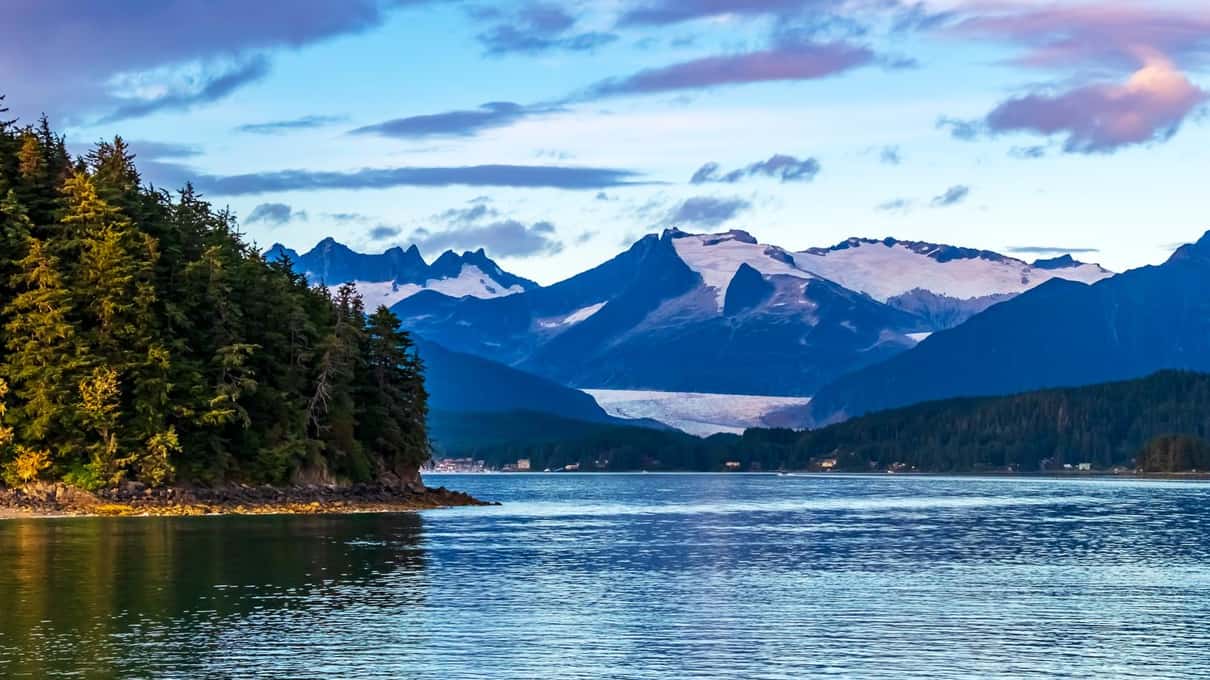
Juneau's whale boats do not head out into the open ocean. They work the protected channels of the Inside Passage, mainly Stephens Passage, Lynn Canal, Favorite Channel and Saginaw Channel, where islands and mountains break up the Pacific swell. On a still summer morning the surface can look like glass. That shelter is why a Juneau trip is usually gentler than an ocean whale cruise elsewhere.
Sheltered does not mean flat. Wind blowing down a channel against a strong tide can raise a short, choppy sea fairly quickly, and wet, blustery days tend to bring it. If you know you are sensitive, plan for some motion and prepare for it rather than counting on a calm day.
Which boats ride steadier
Two rules of thumb come up again and again. Catamarans sit on two hulls and tend to roll less from side to side, and bigger, heavier hulls usually move less than small ones in the same chop. Neither is a promise, and any boat can pitch when it heads into waves.
On our list, Juneau Whale Tours (JWT), from ~$209, runs a 40-foot (12 m) catamaran for up to 20 guests. The 49-seat boats are the larger hulls here. Alaska Tales uses them on both of its trips, and Harv & Marv's shares boats with the lighthouse tour, all with heated cabins where you can sit out a rough patch. Dolphin Jet Boat Tours, from ~$154, takes small, enclosed jet boats. A small hull feels the chop more, but jet boats are quick, so the trip spends about 2 hours on the water against 3 hours on Harv & Marv's. Small boat or big boat? compares the fleets in full.
Where to sit or stand
Motion is smallest low down and near the middle of the boat, and largest at the bow and on the upper deck. Fresh air helps most people more than a warm, stuffy cabin. A spot on the lower deck near the middle, outside, with the horizon in view, is where to head if your stomach starts to turn.
Keep your eyes on the horizon or a distant shoreline instead of the water rushing past the hull. Screens are a common trigger. Scrolling through photos or reading a phone while the boat moves unsettles many people, so watch the whales with your own eyes and check the pictures on the bus back. If you start to feel queasy, tell a crew member. Crews are used to it and can steer you to the steadiest spot or the restroom.
Before you board
Eat a light, plain meal an hour or two before the trip rather than sailing on an empty stomach or after a big greasy breakfast. Go easy on alcohol the night before, and drink water. Ginger, as candy or capsules, is a popular home remedy, and some people like acupressure wristbands, though the evidence for both is mixed.
Over-the-counter tablets such as meclizine or dimenhydrinate help many travelers, but they generally need to be taken before boarding rather than once the queasiness starts, and some cause drowsiness. Ask a pharmacist or doctor which one suits you and how far ahead to take it, especially if you already take other medicines. This page is general travel advice, not medical guidance, and Wikipedia's page on motion sickness explains why the inner ear and the eyes fall out of step.
A big boat with a warm cabin
Alaska Tales sails a purpose-built whale boat with a heated cabin and toilets aboard, from ~$177. Free cancellation until 24 hours ahead lets you step back if the forecast turns windy.
When the weather turns
Operators watch the marine forecast and cancel or reschedule when conditions get rough. Harv & Marv's, whose tour is otherwise non-refundable on Viator, offers another time or a full refund when it calls off a trip for weather. On the lighthouse tour, one reviewer's group could not land on Sentinel Island because the sea was too rough, and saw the lighthouse from the boat instead. Alaska Tales' whale cruise at ~$177 runs rain or shine, so a wet forecast alone will not stop it.
Free cancellation helps most here. The two Alaska Tales trips, JWT, Dolphin and Juneau Tours & Whale Watch all let you cancel free up to 24 hours ahead, so a bad forecast the day before costs you nothing to act on. Harv & Marv's and the lighthouse tour are final sales, a riskier choice for a nervous stomach. Common wisdom holds that the water tends to be calmer in the morning, though wind keeps no timetable, and our timing guide weighs early against afternoon departures. The price guide lists each tour's refund terms.
Ramps and sore backs
Getting onto the boat can be harder than the ride itself. Dolphin's listing mentions a ramp to the boat that gets steep at low water, so take it slowly. Both Dolphin and Harv & Marv's say their trips are not recommended for people with back problems, which matters if a bumpy crossing is likely to jar you. Restrooms are aboard every boat we compare, except that Dolphin's listing does not say either way, so ask if it matters.
Our families and accessibility guide covers access on each boat, and the clothing guide explains why non-slip shoes help on a wet ramp and deck.
If it hits you on the water
Move outside to the middle of the deck and fix your eyes on a distant point. Small sips of water and slow breathing help some people, and a cracker can settle things. The good news is that the rail with a view of the horizon is also where the whales show up, so you rarely miss much by standing there, and the wildlife guide tells you what to look for while you wait. Most tours spend 2–3 hours on the water, and for many people the feeling fades soon after they step ashore.
If you would rather spend less of the day afloat, a combo with land time splits the hours. Whales and the glacier in one go compares those, and the port-day guide helps cruise guests fit any of them around the ship.